
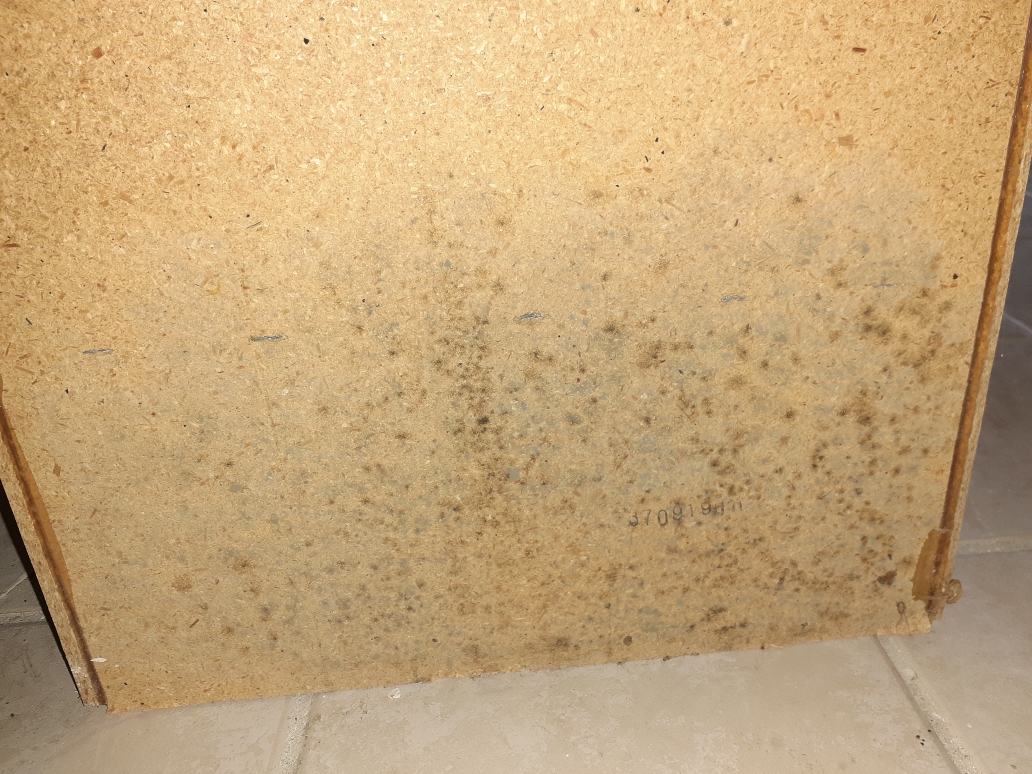
Most mold remediation jobs take anywhere from 1 to 5 days to complete, though larger or more severe infestations can stretch to a week or more. This guide covers how timelines vary by job size, room type, mold severity, and local conditions across Freehold, Middletown, Howell, Brick, Point Pleasant, and the surrounding Monmouth and Ocean County communities.
Understand the Basic Timeline for Mold Remediation
The total time for mold remediation depends on several factors working together. A small bathroom spot can be resolved in a single day. A flooded basement or multi-room infestation in a Long Branch or Asbury Park home can take a full week.
Here is a general breakdown of how time is typically distributed across the process:
- Inspection and testing: 1 to 3 hours for standard residential properties
- Containment setup: 2 to 4 hours depending on how many areas need to be sealed off
- Active mold removal: 1 to 3 days for most mid-sized jobs
- Drying and dehumidification: 24 to 72 hours after removal is complete
- Post-remediation testing: 24 to 48 hours after clearance air samples are taken
These phases often overlap. A crew can begin drying one section while still removing mold in another. That overlap is what keeps most jobs under the 5-day mark.
Compare Timelines by Job Size and Mold Severity
One of the most common questions NJ Mold Pros gets from homeowners is whether the job will be done before the weekend or before a real estate closing. The honest answer depends on scope.
| Job Size | Affected Area | Estimated Timeline |
|---|---|---|
| Small | Under 10 sq ft (bathroom tile, small closet) | 1 day |
| Medium | 10 to 100 sq ft (single room, crawl space section) | 2 to 3 days |
| Large | 100 to 300 sq ft (full basement, multiple rooms) | 3 to 5 days |
| Severe | Over 300 sq ft or structural involvement | 5 to 10 days or more |
Mold type also plays a role. Black mold (Stachybotrys) requires more aggressive containment and removal protocols than surface mold. That adds time but protects your family’s health.
Jobs involving structural materials like drywall, subfloor, or framing lumber take longer because those materials often need to be removed, dried, and replaced rather than just cleaned.
Explore How Local Conditions in Monmouth and Ocean County Affect Drying Time
Living near the Jersey Shore is great until a pipe bursts or a nor’easter pushes water into your basement. Coastal humidity in towns like Point Pleasant, Ocean Township, and Manasquan means that drying times can run longer than inland jobs.
New Jersey summers are humid. Average relative humidity along the Monmouth County coast regularly exceeds 70 percent from June through August. That humidity slows evaporation, which directly extends the drying phase of remediation.
NJ Mold Pros accounts for this by deploying commercial-grade dehumidifiers rated for coastal environments. A standard residential dehumidifier that removes 30 pints per day is not enough for a saturated crawl space in Brick or a flooded basement in Wall Township.
Older homes in Red Bank, Colts Neck, and Matawan often have less insulation and older vapor barriers, which means moisture migrates further into walls and floors. That increases both the scope and the timeline of remediation.
Understand What Happens During Each Phase of Remediation
Knowing what crews are actually doing each day makes the timeline easier to understand and plan around.
- Day 1 – Inspection and containment: A certified inspector identifies all affected areas and sets up negative air pressure containment with plastic sheeting to prevent spores from spreading to clean areas of the home.
- Day 1 to 2 – HEPA air scrubbing: Industrial HEPA air scrubbers run continuously to capture airborne spores. These machines must run for a minimum number of air exchanges before removal begins.
- Day 2 to 3 – Physical removal: Affected materials are removed, bagged, and disposed of properly. Surfaces are treated with EPA-registered antimicrobial agents. Encapsulants may be applied to salvageable materials.
- Day 3 to 4 – Drying: Commercial dehumidifiers and air movers run until moisture readings in walls and floors return to acceptable levels, typically below 16 percent for wood and 4 percent for concrete.
- Day 4 to 5 – Clearance testing: An independent or in-house post-remediation test confirms spore counts are within normal ranges before containment is removed and the area is cleared for reconstruction.
If clearance testing fails, the process repeats. That can add another 1 to 2 days. Choosing a qualified company the first time reduces that risk significantly.
Review How Room Type Changes the Timeline
The room or area being treated is one of the biggest timeline variables. Some spaces take much longer than others due to access, materials, and ventilation challenges.
| Room or Area | Common Challenges | Typical Timeline |
|---|---|---|
| Bathroom | Grout lines, tight space, ventilation | 1 day |
| Basement | Concrete, insulation, HVAC proximity | 3 to 5 days |
| Crawl Space | Limited access, high humidity, vapor barrier replacement | 2 to 4 days |
| Attic | Roof deck mold, insulation removal, ventilation repair | 2 to 5 days |
| HVAC System | Duct cleaning, coil treatment, full-house air quality | 1 to 2 days |
| Multiple Rooms | Cross-contamination risk, phased containment | 5 to 10 days |
Crawl spaces in Howell and Marlboro frequently show high mold counts due to the area’s clay-heavy soil, which retains moisture under homes. That moisture wicks up through the ground and creates persistent humidity under the floor structure.
Attic mold is common across Middletown and Holmdel, often caused by inadequate soffit and ridge vent systems. Remediation in the attic almost always requires a ventilation correction as part of the project to prevent regrowth.
Know What Can Delay a Mold Remediation Project
Some delays are avoidable and some are not. Either way, knowing what causes them helps you plan realistically.
- Active water source: If the leak or flooding that caused the mold has not been repaired, remediation cannot begin. A plumber must fix the source first.
- Structural damage: Mold that has penetrated floor joists or wall studs requires demolition and reconstruction, adding several days to the project timeline.
- Permit requirements: Some municipalities in Monmouth County require permits for work involving structural material removal. Check with your local building department in Freehold Borough or Howell Township before assuming none is needed.
- Insurance documentation: If you are filing a homeowner’s insurance claim, the adjuster may need to inspect before work begins. That can delay the start date by several days.
- Weather and humidity: Extended rain or a stretch of high humidity days along the coast will slow drying times regardless of equipment used.
- Occupied homes: When residents cannot vacate the property, crew access may be limited to certain hours, stretching a 2-day job into 3 or 4 days.
NJ Mold Pros coordinates with insurance adjusters and local contractors when needed to minimize delays. Clear communication upfront about your situation helps everyone plan more accurately.
FAQs on How Long Mold Remediation Takes
Can I stay in my home during mold remediation?
It depends on the size of the job and which rooms are affected. Small, contained jobs in a single bathroom usually allow you to stay. Larger projects affecting bedrooms or HVAC systems often require temporary relocation for health and safety reasons. Your remediation company should advise you clearly before work begins.
How long does mold remediation take for a basement in New Jersey?
A typical basement mold remediation job in New Jersey takes 3 to 5 days. Basements near the Shore in towns like Point Pleasant or Brick can take longer due to elevated ground moisture. Jobs that involve replacing insulation or treating the concrete slab add time to the drying phase.
Do I need to leave my house after mold remediation is done?
No, once clearance testing confirms that spore counts are within acceptable levels and containment is removed, you can return to all areas of the home. Your remediation company should provide you with a written clearance report confirming the job passed inspection.
How soon after mold removal can reconstruction begin?
Reconstruction can typically begin within 24 to 48 hours after clearance testing passes. The affected area must be completely dry and confirmed mold-free before new drywall, insulation, or flooring is installed. Starting reconstruction too early risks trapping moisture and causing a recurrence.
Does the type of mold change how long remediation takes?
Yes. Surface molds like Cladosporium or Penicillium are often resolved faster than Stachybotrys, commonly called black mold. Black mold typically requires more aggressive containment, more thorough removal of porous materials, and longer HEPA air scrubbing periods before clearance testing can proceed.
What if mold comes back after remediation is finished?
Recurrence almost always means the moisture source was not fully resolved. If mold returns within weeks of remediation, call NJ Mold Pros at (732) 513-7525 to assess whether the underlying water intrusion issue needs additional attention. A quality remediation job addresses both the mold and the conditions that allowed it to grow.
Wrap Up and Next Steps
How long does mold remediation take? For most homes across Monmouth and Ocean County, the answer is 1 to 5 days, with larger or more complex jobs running up to 10 days. The biggest variables are job size, room type, moisture levels, and whether the source of water intrusion has been corrected.
If you are dealing with mold in your home or have concerns after a water event, do not wait. Mold spreads quickly, especially in the humid coastal climate of Manasquan, Manalapan, and the surrounding Shore communities.
Contact NJ Mold Pros today at (732) 513-7525 to schedule a professional inspection. Our team will assess your situation, give you a clear timeline, and get your home back to a safe, healthy condition as quickly as possible.