
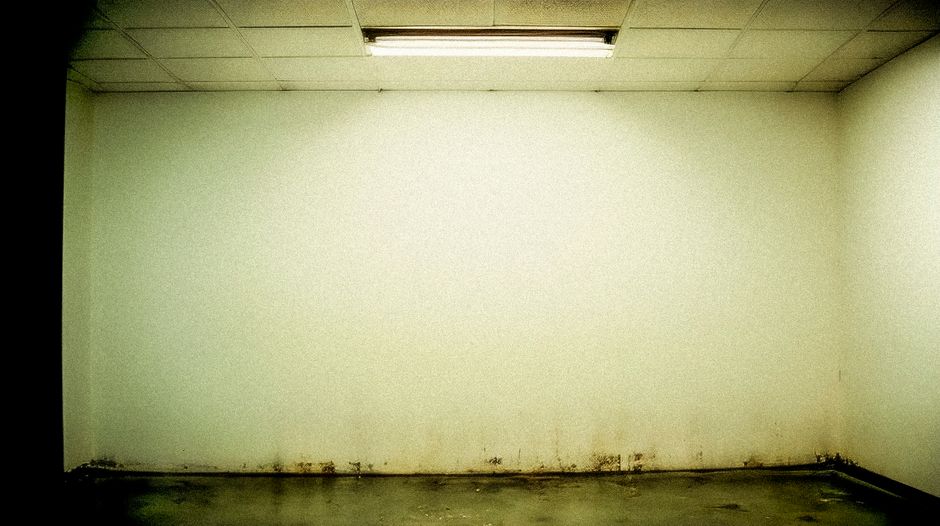
Mold in your basement can appear as dark or discolored patches, a persistent musty odor, or unexplained allergy symptoms, and it can begin growing within 24 to 48 hours of a moisture event. This guide covers the most common signs of mold in basement spaces, what causes mold in New Jersey homes, and when to call a professional remediation team.
Homeowners across Freehold, Middletown, Howell, Marlboro, Manalapan, Wall Township, Ocean Township, Red Bank, Asbury Park, Long Branch, Holmdel, Colts Neck, Matawan, Brick, and Point Pleasant deal with basement mold every year due to the region’s humid summers and wet winters.
Recognize the Visual Signs of Mold in Your Basement
The most obvious sign of mold is something you can actually see. Mold colonies often appear as fuzzy or powdery patches in shades of black, green, gray, white, or brown. They tend to cluster in corners, along baseboards, on drywall, and around window wells.
Many homeowners confuse mold with efflorescence, which is the white chalky mineral deposit that appears on concrete and block walls. Efflorescence is not organic and will not spread, but mold will. If the discoloration is fuzzy, clustered, or appears on wood and drywall rather than bare concrete, treat it as mold until proven otherwise.
- Black or dark green patches on drywall, wood framing, or insulation
- White or gray fuzzy growth on concrete block walls
- Orange or pink streaks along floor drains or sump pump areas
- Spots that return quickly after wiping with a dry cloth
- Discoloration behind stored boxes or furniture that has been sitting for months
- Visible growth on carpet padding or the underside of area rugs
If you spot any of these in your basement, do not scrub the area with bleach and call it done. Surface cleaning does not address the root moisture problem, and mold will return. NJ Mold Pros recommends a proper inspection before any remediation work begins.
Pay Attention to Musty Smells and Air Quality Changes
A strong musty or earthy smell is one of the earliest and most reliable signs of mold in basement areas. Mold releases microbial volatile organic compounds, or MVOCs, as it grows. These compounds produce that distinct damp, stale odor even before visible colonies appear.
If your basement smells different after rain, or if the odor is stronger near walls, the HVAC air handler, or the sump pit, there is a good chance active mold growth is happening behind surfaces or inside building materials.
- Musty smell that gets worse after heavy rain or humid weather
- Odor that travels upstairs through HVAC vents or stairwells
- Smell concentrated near the water heater, washing machine, or sump pump
- Pet odors that seem unusually strong despite regular cleaning
- A stale or heavy feeling to the air even when windows are open
New Jersey summers are consistently humid, with average July relative humidity levels above 70 percent across Monmouth and Ocean County. That moisture loads basements fast, especially in older homes in areas like Red Bank, Matawan, and Long Branch where drainage infrastructure is aging.
Watch for Water Damage and Moisture Clues
Mold needs moisture to survive. Every visible sign of water damage in your basement is also a potential mold risk. You do not need to see standing water for mold to take hold. Even chronic condensation or minor seepage is enough.
| Moisture Source | Common Location | Mold Risk Level |
|---|---|---|
| Foundation wall seepage | Block or poured concrete walls | High |
| Window well flooding | Below-grade basement windows | High |
| Condensation on pipes | Cold water supply lines | Moderate |
| Sump pump failure | Sump pit and surrounding floor | Very High |
| Dryer or HVAC condensate | Near appliances | Moderate |
| Leaking water heater | Utility corner | High |
In coastal communities like Point Pleasant, Asbury Park, and Brick, storm surge and heavy rainfall events push groundwater up against foundation walls regularly. Homes near tidal areas or low-lying lots in Howell and Manalapan face similar risks after nor’easters and tropical storms.
Staining on the lower section of walls, rust marks from metal furniture, buckled flooring, or damp spots on concrete after dry weather are all signs that your basement has a chronic moisture problem that needs to be addressed before mold gets out of control.
Notice Health Symptoms That Appear in Your Home
Sometimes your body gives you the first warning about mold before your eyes or nose do. Mold spores circulate through the air and can trigger respiratory issues, allergic reactions, and other symptoms, especially in sensitive individuals.
If household members experience symptoms that improve when they leave the house and worsen when they return, mold exposure is a possible cause worth investigating. This pattern is a classic red flag that indoor air quality is compromised.
- Sneezing, runny nose, or itchy eyes that get worse at home
- Coughing or wheezing, especially in the morning
- Headaches that are worse in lower floors of the home
- Skin irritation without an obvious cause
- Fatigue or brain fog that clears up when away for several days
- Worsening asthma symptoms with no change in outdoor allergen levels
Children, elderly residents, and people with asthma or compromised immune systems are most vulnerable. If you or a family member is experiencing persistent symptoms, do not wait. Contact NJ Mold Pros at (732) 513-7525 for a professional mold inspection so you can rule out or confirm a basement mold problem quickly.
Compare Common Mold Types Found in NJ Basements
Not all mold looks the same or poses the same level of risk. Knowing the common types found in basement environments helps you understand what a professional inspector will look for during an assessment.
| Mold Type | Appearance | Common Location | Health Concern |
|---|---|---|---|
| Cladosporium | Olive green or black, powdery | Wood, carpet, drywall | Moderate, allergenic |
| Penicillium | Blue or green, velvety | Insulation, wallboard | Moderate, allergenic |
| Aspergillus | Gray, green, or white | Dust, stored goods | Moderate to high |
| Stachybotrys (Black Mold) | Black, slimy | Wet drywall, wood | High, toxigenic |
| Chaetomium | White to gray, cottony | Drywall with water damage | Moderate |
Stachybotrys chartarum, commonly called black mold, requires sustained moisture over weeks or months to grow. If your basement has had a long-term leak or flood that was not properly dried out, the risk of Stachybotrys is real. This type of mold is not something to handle with store-bought sprays.
Mold testing by a certified inspector can identify the specific type of mold present and guide the proper remediation approach. NJ Mold Pros works with certified industrial hygienists to provide accurate testing for homeowners throughout Monmouth and Ocean County.
Understand Why NJ Basements Are Especially Vulnerable
New Jersey’s climate creates near-perfect conditions for basement mold growth. The state experiences cold, wet winters followed by hot and humid summers. That seasonal swing means basement walls absorb moisture in multiple ways throughout the year.
In communities like Holmdel, Colts Neck, and Marlboro, homes with crawl spaces or partial basements built on clay-heavy soil face significant hydrostatic pressure after rain events. Clay soil does not drain quickly, so groundwater pushes directly against foundation walls for hours or days after a storm.
Older homes in Wall Township, Ocean Township, and Middletown often have original cinder block foundations that are more porous than modern poured concrete. These blocks absorb moisture easily and provide an ideal surface for mold colonies to establish.
- High average humidity from June through September across Monmouth County
- Frequent nor’easters and tropical storm remnants that saturate soil
- Older housing stock with original foundations lacking waterproofing membranes
- Finished basements that trap moisture behind drywall and insulation
- Proximity to tidal waterways in coastal towns like Asbury Park and Long Branch
A finished basement is especially risky because mold can grow unchecked behind drywall for months before any visible sign appears. By the time you smell something or see a stain on the wall, the mold colony behind it may already be significant.
FAQs on Signs of Mold in Basement
How do I know if I have mold in my basement if I cannot see anything?
Rely on your nose first. A persistent musty or earthy odor in your basement, even without visible growth, is a strong indicator of hidden mold. You can also watch for health symptoms that improve when you leave the house. A professional mold inspection with air quality testing is the most reliable way to confirm hidden mold.
Can I test for mold myself before calling a professional?
DIY mold test kits are available at hardware stores, but they are not reliable enough to make remediation decisions. These kits can produce false negatives or fail to identify the specific mold type. A certified mold inspector uses calibrated equipment and lab analysis to give you accurate results.
Is a small amount of mold in my basement a big deal?
Any mold growth is worth addressing because colonies spread quickly when moisture is present. A small visible patch often means a larger colony exists behind walls or under flooring. Early action is always less costly than waiting until the problem becomes extensive.
What is the difference between mold and mildew in a basement?
Mildew is a surface-level fungal growth that is typically white or gray and flat. It is easier to clean and less damaging than mold. Mold penetrates into building materials and requires professional remediation to fully remove. Both thrive in damp basement conditions, but mold poses the greater structural and health risk.
How quickly can mold spread in a wet basement?
Mold spores can begin colonizing within 24 to 48 hours of a moisture event. Under warm, humid conditions like a New Jersey summer, a small colony can spread across a wall section within one to two weeks. Speed of response after flooding or a leak is critical to limiting the damage.
Does homeowner’s insurance cover mold remediation in New Jersey?
Coverage depends on the cause of the mold. Mold resulting from a sudden and accidental event like a burst pipe is often covered. Mold caused by long-term seepage or neglect is typically excluded. Review your policy carefully and document all damage before starting any cleanup work.
Wrap Up and Next Steps
The signs of mold in basement spaces range from visible dark patches and musty odors to unexplained health symptoms and water stains on walls. If you notice any of these warning signs in your Monmouth or Ocean County home, do not delay getting a professional assessment.
NJ Mold Pros serves Freehold, Middletown, Howell, Marlboro, Manalapan, Wall Township, Ocean Township, Red Bank, Asbury Park, Long Branch, Holmdel, Colts Neck, Matawan, Brick, Point Pleasant, and surrounding communities with certified mold inspections and remediation services. Call us today at (732) 513-7525 to schedule your basement mold inspection and get answers fast.