
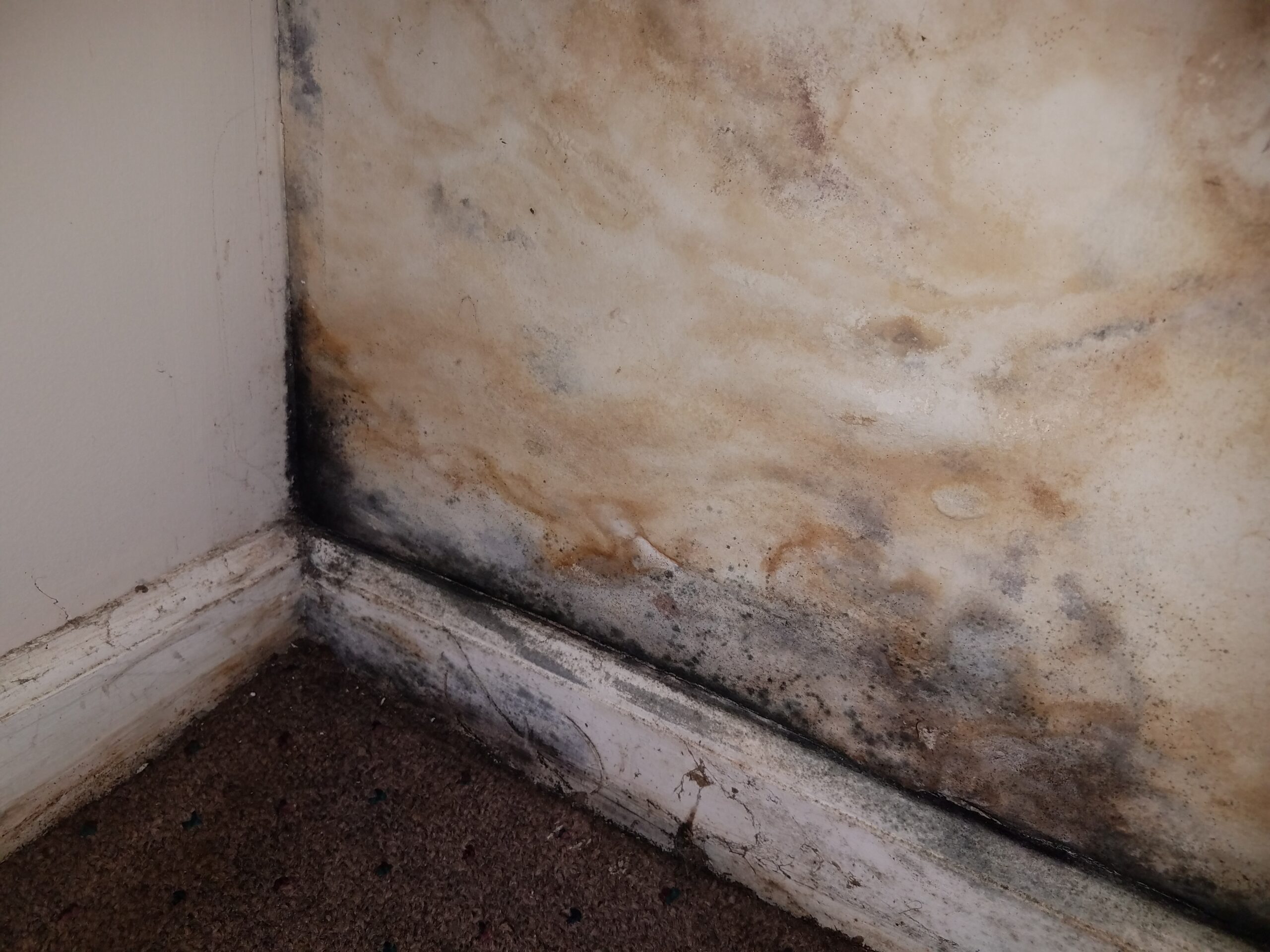
Mold can begin growing within 24 to 48 hours after water damage, so fast action is critical. The good news is that with the right steps, you can stop mold before it takes hold in your home. This guide covers exactly how to prevent mold after water damage, from the first hour through full restoration, with practical advice for homeowners in Freehold, Middletown, Howell, Marlboro, Manalapan, Wall Township, Ocean Township, Red Bank, Asbury Park, Long Branch, Holmdel, Colts Neck, Matawan, Brick, and Point Pleasant.
Understand Why Mold Grows So Fast After Water Damage
Mold is not a slow-moving problem. It needs only three things to thrive: moisture, a food source like drywall or wood, and warm temperatures. After a burst pipe, flooding, or roof leak, your home suddenly offers all three.
New Jersey’s humid summers make this worse. Coastal areas like Asbury Park, Long Branch, and Point Pleasant already carry higher ambient humidity. When water damage strikes, that background moisture accelerates mold colonization significantly.
Spores are invisible and airborne. By the time you see discoloration on a wall or ceiling, mold has already been growing for days. That is why the 24 to 48 hour window is so important. Every hour you wait makes remediation harder and more expensive.
Understanding this timeline changes how you respond. You cannot wait for a contractor to become available next week. You need to start drying and cleaning immediately, even before the professionals arrive.
Take These Immediate Steps in the First 24 Hours
The actions you take in the first day are the most important factor in mold prevention. Here is what to do as soon as water damage happens in your home.
- Stop the water source first. Shut off the main water supply or contact your utility if the source is external flooding. You cannot dry anything while water is still entering.
- Remove standing water immediately. Use a wet/dry vacuum, mop, or call a water extraction service. Do not let water sit on floors or in carpets for more than a few hours.
- Pull up wet carpets and rugs. These trap moisture and are nearly impossible to dry in place. Carpet padding almost always needs to be replaced after flooding.
- Move wet furniture and belongings outside or to a dry area. Upholstered furniture that stays wet longer than 48 hours is very difficult to save.
- Open windows and doors if outdoor humidity is low. Cross ventilation speeds drying when outside air is drier than inside air. Avoid this step during humid summer days along the Jersey Shore.
- Run fans and dehumidifiers continuously. Industrial-grade dehumidifiers can remove 70 to 150 pints of water per day. Consumer models remove 30 to 50 pints. More capacity means faster drying.
- Document everything with photos and video. Your insurance claim depends on thorough documentation taken before you start cleanup.
NJ Mold Pros recommends calling a water damage professional within the first few hours if the damage covers more than 10 square feet or involves sewage, floodwater, or a structural area like a basement or crawl space.
Compare Drying Methods and Their Effectiveness
Not all drying methods work equally well. Knowing which approach matches your situation saves you time and prevents mold from sneaking into hidden cavities like wall interiors and subfloors.
| Drying Method | Best For | Time to Dry | Mold Risk Reduction |
|---|---|---|---|
| Air movement fans only | Small surface spills | 1 to 3 days | Moderate |
| Dehumidifier alone | High humidity rooms | 2 to 5 days | Moderate to High |
| Fans plus dehumidifier | Most residential water damage | 3 to 5 days | High |
| Desiccant drying systems | Cold weather or deep structural drying | 2 to 4 days | Very High |
| Professional extraction plus drying | Flooding, sewage, major leaks | 3 to 7 days | Very High |
Professional drying equipment is far more powerful than anything you can rent at a hardware store. Restoration companies use moisture meters to verify that materials have reached acceptable dryness levels before closing up walls or replacing flooring.
Target indoor relative humidity below 50 percent. In Brick, Howell, and Manalapan, summer humidity regularly exceeds 70 percent outdoors, so running dehumidifiers with the windows closed is often the right call during warm months.
Clean and Treat Affected Surfaces Before Mold Appears
Once surfaces are dry enough to touch, you need to clean and treat them to kill any spores that may have landed during the water event. This step is often skipped, and it is a major reason mold returns weeks later.
- Hard surfaces like tile, concrete, and metal: Clean with a solution of 1 cup of bleach per gallon of water. Scrub thoroughly and allow to air dry. Do not rinse.
- Wood framing and subfloors: Use an antimicrobial spray or a borax solution. Bleach does not penetrate porous wood effectively. Products like Concrobium Mold Control or Foster 40-80 are professional-grade options.
- Drywall: Wet drywall that has been soaked through almost always needs to be removed and replaced. Drying it in place traps moisture inside the paper facing and encourages mold growth behind the painted surface.
- HVAC ducts and air handlers: If water entered your HVAC system, have it inspected before running it again. Running a contaminated system spreads spores throughout every room in your home.
Wear an N95 respirator, gloves, and eye protection during all cleaning work. Even before visible mold appears, disturbed wet materials can release spores into the air you are breathing.
Know Which Materials Must Be Replaced, Not Dried
One of the most common mistakes homeowners in Marlboro, Colts Neck, and Red Bank make is trying to save materials that should be removed. Keeping compromised materials in your walls or floors guarantees a mold problem later.
| Material | Can It Be Dried and Saved? | Notes |
|---|---|---|
| Standard drywall (soaked through) | Rarely | Replace if wet more than 24 hours |
| Fiberglass batt insulation | No | Always replace when wet |
| Carpet padding | No | Replace after any flooding |
| Carpet (clean water only) | Sometimes | Depends on drying speed, fiber type |
| Solid hardwood flooring | Sometimes | Must be dried within 48 hours |
| OSB subfloor | Sometimes | Check for delamination and swelling |
| Solid wood framing | Yes | Treat with antimicrobial after drying |
| Ceiling tiles (porous) | No | Replace to avoid hidden mold |
The Institute of Inspection Cleaning and Restoration Certification (IICRC) S500 standard provides the technical guidelines that professional restorers follow when making these decisions. NJ Mold Pros follows IICRC standards on every job to ensure your home is properly dried and treated.
Control Indoor Humidity Long-Term to Prevent Mold Recurrence
Preventing mold after water damage is not just about the immediate cleanup. Humidity management in the weeks and months after the event is just as important. Many homes in Wall Township, Ocean Township, and Holmdel see mold return because the underlying moisture issue was never fully addressed.
- Keep indoor relative humidity between 35 and 50 percent year-round.
- Install a whole-home dehumidifier if your basement or crawl space consistently reads above 60 percent humidity.
- Seal crawl space floors with a heavy-duty vapor barrier, such as a 20-mil polyethylene liner, to block ground moisture.
- Check attic ventilation after any roof leak. Poor attic airflow traps moisture and creates ideal mold conditions above your living space.
- Inspect and clean gutters twice per year. Overflowing gutters direct water toward your foundation and contribute to basement moisture in older Matawan and Brick homes.
- Fix any plumbing drips, slow leaks under sinks, or condensation issues on pipes within your first 24 hours of noticing them.
A hygrometer costs between 10 and 30 dollars and gives you a real-time humidity reading in any room. Place one in your basement and one on your main living level. These simple tools help you catch rising humidity before it becomes a mold problem.
Know When to Call a Professional Mold Remediation Company
Some water damage situations are beyond DIY handling. Knowing when to call in a professional protects your health and your property value.
You should contact a mold remediation company if any of the following apply to your situation. The damage covers more than 10 square feet of visible mold growth. The water source was sewage, groundwater, or floodwater from outside. The water damage affected your HVAC system, ductwork, or air handler. You or a family member has respiratory issues, allergies, or a compromised immune system. You smell a musty odor but cannot find the visible source.
NJ Mold Pros serves homeowners throughout Monmouth and Ocean counties, including Freehold, Middletown, Howell, Marlboro, Manalapan, Red Bank, Long Branch, and Brick. Our team uses moisture mapping and thermal imaging to find hidden moisture that standard inspections miss.
Professional remediation typically costs between 500 and 6,000 dollars depending on the size and severity of the damage. Catching mold early, before it spreads behind walls or under floors, keeps costs on the lower end of that range.
FAQs on How to Prevent Mold After Water Damage
How long does it take for mold to grow after water damage?
Mold can begin growing within 24 to 48 hours after water damage under the right conditions. Warm temperatures and porous materials like drywall or carpet backing accelerate growth. Acting within the first 24 hours gives you the best chance of preventing mold entirely.
Can I use bleach to prevent mold on wood after water damage?
Bleach is effective on hard, non-porous surfaces like tile and concrete but does not penetrate wood well enough to kill mold at the root. For wood framing, subfloors, and joists, use an antimicrobial product specifically rated for porous materials, such as Concrobium or a borax-and-water solution.
Does homeowners insurance cover mold prevention after water damage in New Jersey?
Most standard homeowners insurance policies in New Jersey cover mold remediation when it results from a covered water damage event, like a burst pipe. Flood damage is typically excluded unless you carry a separate NFIP or private flood insurance policy. Always document damage thoroughly and call your insurer before starting cleanup.
How do I know if mold is growing inside my walls after water damage?
Signs of hidden mold include a persistent musty odor, warping or bubbling paint, unexplained allergy symptoms in your household, and visible staining on wall surfaces. A professional can use thermal imaging cameras and moisture meters to detect moisture and mold behind walls without cutting into them first.
What humidity level prevents mold growth indoors?
Keeping indoor relative humidity below 50 percent significantly reduces mold risk. The EPA recommends maintaining humidity between 30 and 50 percent. In coastal New Jersey communities like Asbury Park and Point Pleasant, where outdoor humidity is naturally higher, running a dehumidifier year-round in basements and crawl spaces is strongly advisable.
How much does professional mold remediation cost in New Jersey?
Professional mold remediation in New Jersey typically ranges from 500 to 6,000 dollars for most residential jobs. Small isolated areas cost less, while large infestations involving structural materials cost more. Getting a professional assessment early, before mold spreads, almost always reduces the final cost.
Wrap Up and Next Steps
The key to preventing mold after water damage is speed. Act within the first 24 hours, dry materials thoroughly, replace what cannot be saved, and manage humidity in the weeks that follow. These steps stop mold before it has a chance to become a serious health and structural problem in your home.
If your home has experienced water damage and you are not sure whether mold is already growing, do not guess. NJ Mold Pros provides professional mold inspections, moisture assessments, and full remediation services across Monmouth and Ocean counties. Call us today at (732) 513-7525 to schedule an inspection or get a free quote. Fast response is what we do.